192.168.10.1 Admin Login
192.168.10.1 is a default private IP address used to access the admin panel. It is used to change the Wi-Fi SSID, password, and default router settings at http://192.168.10.1/. This IP address is used by router companies such as PTCL, TP-Link, and D-Lin as a default gateway. Some routers use the 192.168.18.1 admin login page as their default gateway address.
Many people don’t know their router’s IP address because a technician handles most setups. But you can easily find your router’s IP address and then make the necessary changes to your router settings. It also adjusts the settings for LAN, WAN, and proxy configurations.
If you want to log in to the 10.0.0.0.1 Piso Wi-Fi, click here.
Easy Steps to 192.168.10.1 Login
Follow the steps below to access the router admin panel:
Step number 1:
- Check the connection (the power, WAN, LAN, and WLAN lights on).
- The light should be steady for the power button.
- The next three lights on the router should blink continuously.
Note: After a successful installation, proceed to the next step.
Step number 2:
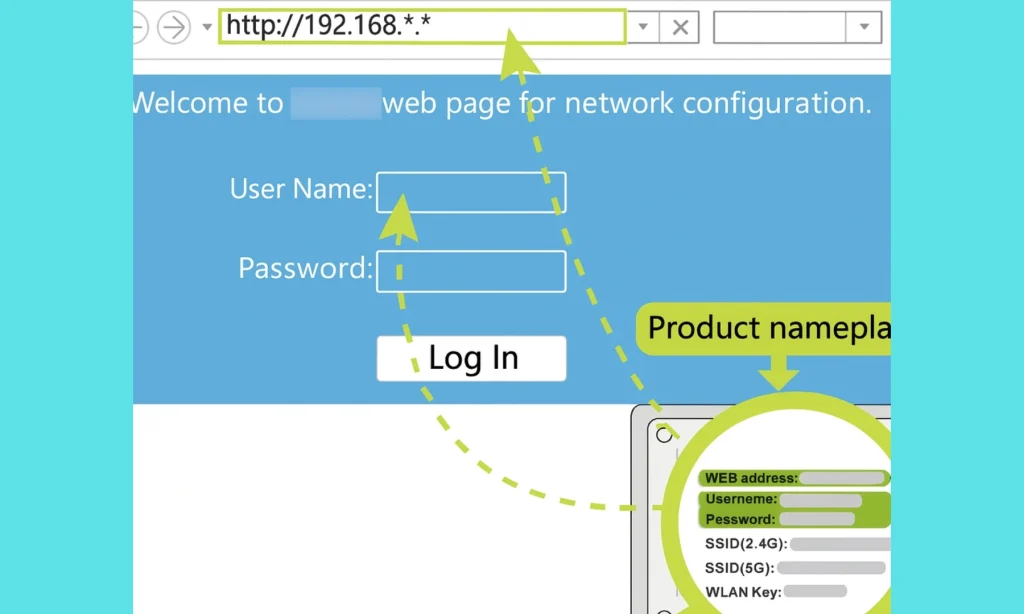
Open the browser of your choice, like Chrome, and type http://192.168.10.1.
- Next, a page will appear. To enter the user name and password.
Example enter:
Default user name: admin
Default password: admin
- Press Enter
Step number 3:
- You will log in to your router’s admin page.
Things to remember: Sometimes an error message may appear while logging in. If this happens, it means 192.168.10.l is not your router’s correct IP address. You may misspell.
Relevant IP Addresses
It is often swapped with 192.168.1.1 depending on the manufacturer.
For Tenda or business routers, check the 192.168.0.1 dashboard.
Specialized gateways like 192.168.1.254 are also common in this range.
- High-speed fiber users should also try 192.168.100.1.
Things You Need to Know About 192.168.10.1
Understanding the Role of 192.168.10.1
Even nowadays, a high-speed, high-quality internet connection may collapse. If a site fails to load, ask yourself whether the problem is with the internet company or the router.
The best place to begin troubleshooting router issues is to verify the private IP address assigned to the network. When configuring your router or connecting devices such as VoIP phones, webcams, or DVRs, you may encounter the IP address 192.168.10.1.
Why 192.168.10.1 Exists in Home Networks
Billions of devices need to be connected to the internet, but IPv4 addresses are scarce. Since every device on a network needs a unique identifier, the Internet Assigned Numbers Authority (IANA) has established IP address ranges for private networks.
192.168.10.1 is a Private Address
The difference between private IPs and public IPs is where they can be accessed. It is possible to access a public IP address anywhere on the internet. A private IP will only be accessed within its local network. This maintains the business and home network clean and safe.
The address 192.168.10.1 is in a private range and hence does not require registration by authorities worldwide. Many homes can share the same address without issues, provided that no more than one device uses the same address on the local network. If two or more devices share the same IP address, an IP conflict will occur.
When devices connect to the rest of the internet, routers use a technique known as NAT (Network Address Translation) to reassign private IP addresses, such as 192.168.10.1, to a publicly available IP address.
A default gateway address of 192.168.10.1 is commonly set by manufacturers and is used to access the router’s admin screen.
Default User Names and Password for 192.168.10.1 login
User Name | Passwords | Usage Percentage % |
admin | admin | 60 |
– | admin | 12 |
‘randomly generated” | admin | 9 |
admin | – | 6 |
admin | motorola | 3 |
Problems With 192.168.10.1 Login
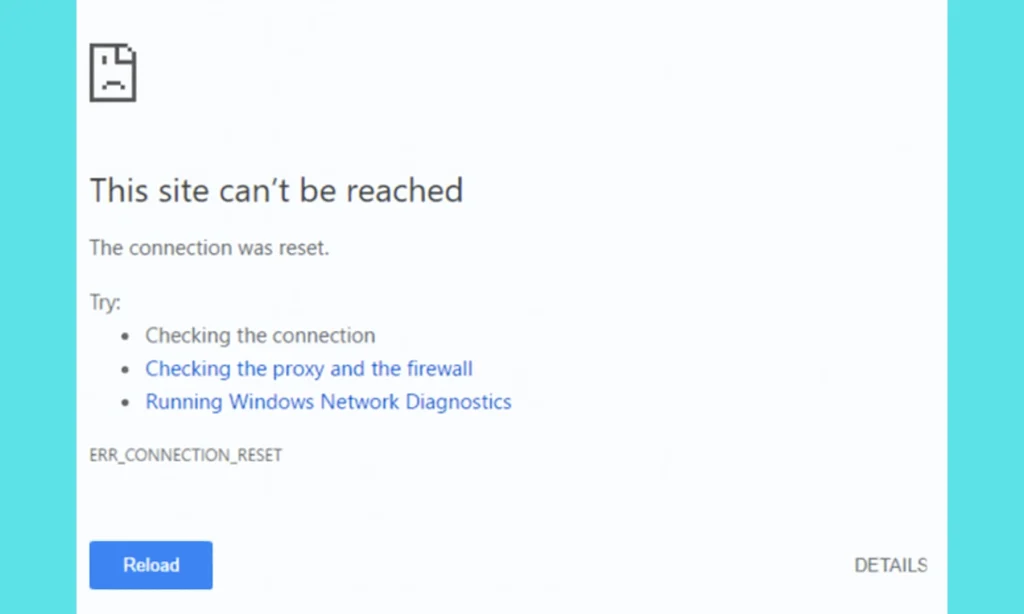
- The IP addresses are not very easy to type. In case you type in any incorrect digits or any other character that you do not want, it redirects you to a new page or fails to open. To prevent this, all one has to do is copy and paste the IP address into the address bar. This is the only way to make sure you entered the correct IP address.
- If you are unable to connect to the host http://192.168.10.1 again, your router may not be functioning correctly. These are complicated systems that can lead to complications if any of their parts are not in the correct position. To eliminate this possibility, contact your router’s manufacturer. However, do know this: not every manufacturer uses the 192.168.10.1 IP Address.
- Most routers require physical connectivity before being granted access to the 192.168.10.1 administrative interface. The most likely physical connection is an Ethernet cable used to access the router’s IP address. This is an easy process of connecting the computer to the router and takes only a few seconds.
How to Change WiFi Password on 192.168.10.1 IP Address
When you need to change the Wi-Fi password, follow the steps below:
- Open the browser and log in to the admin panel.
- Go to Wireless settings, then go to security, and then Passwords settings.
- Here, select network encryption to “WPA2-PSK “.
- After that, enter your new password (what you want it to be).
- Lastly, click on Apply to save the change.
How to Change Network Name (SSID) on 192.168.10.1 IP Address
To change the network name on 192.168.10.1, follow the steps below:
- Follow the same first step as changing the Wi-Fi password.
- Then go to Wireless settings.
- And go to Basic settings.
- Change the name here; so, enter the new name in the SSID field.
- Now, click on Apply to save the change.
How to Change 192.168.10.1 Local IP Address
When you want to increase the security of your wifi network! By changing the Local IP address from 192.168.10.1 to any other, like 192.168.1.1 or 192.168.8.1. Follow the following steps:
After logging in, the Setup menu lab.
Then open network settings.
Open the Router settings, and type the new IP in the field section.
Click on Apply and save the change.
How to Determine Your Gateway IP Address
Check the router itself.
- Check the label or sticker on the bottom or back of your router.
- Locate the line labeled “Default Gateway,” “Router IP,” or “Default Access”.
- That is a router gateway IP (i.e., 192.168.10.1).
- If the label is not there (this is typical of used routers), consult the user manual or the manufacturer’s site.
- And in case all that does not work, you can find it with the help of your computer.
On Windows
- In the lower-right corner of your screen, you should see the network/Wi-Fi icon; click it.
- From the list of networks, choose and connect to your router’s Wi-Fi (if you are not already connected).
- Click on Properties of that network.
- Scroll down until you see IPv4.
- Your local/gateway IP (usually 192.168.10.1 or similar) is displayed there.
On macOS
- Click the Apple menu in the upper-left part of the screen.
- In your version, choose either System Settings or System Preferences.
- Open Network.
- Connect to your router’s Wi-Fi (if you are not already).
- Click on Details or Advanced, then find Router.
- The one beside the Router is your gateway IP (ex., 192.168.10.1).
Factory Reset to Default Settings
You can easily regain access to the admin interface if you have changed the login password for 192.168.10.1 and have forgotten it. The password to log in is essential; otherwise, you can not log in. However, the default username and password can be used to log in, and the login password can be reset.
These are the steps to reset the password of the login and reaccess the router:
- Select a sharp, pointed material, such as a toothpick or a paper clip.
- There is a hidden reset button on the back of your router.
- Tap that button with a piece of paper or a toothpick, tap it 1 for 0-15 seconds, then release. The router lights will be blinking, and the router will restart. Upon reboot, all settings revert to factory defaults, including any changes made to the password.
- The default username and password are used to log in to the admin interface.
Other Advanced Settings You Will Find on the Admin Panel.
- Dynamic Host Configuration Protocol
- NAT & Port Forwarding
- Firewall & security
- Quality of Service
- Guest Network
- VPN
- Firmware Upgrade
FAQs
What is 192.168.10.1?
192.168.10.1 is a default private IP address used by many routers. IP addresses have four number groups (0–255). The first three groups identify the network, and the last group identifies the device.
How do I log in to 192.168.10.1?
Type 192.168.10.1 into your web browser’s address bar.
Enter the username and password, then click Login or OK.
What are the most common default logins for 192.168.10.1?
- Username: admin
- Password: admin
How do I access the router using 192.168.10.1?
- Enter 192.168.10.1 in your browser’s address bar.
- Type in your username and password.
- Click Login.
Default login: admin/admin
Conclusion
192.168.10.1 is a widely used private IP address that lets you access your router or 192.168.10.1 wifi repeater login page to manage network settings. This address gives you full control over your home network. If you ever run into login issues or forget your credentials, checking your correct gateway IP or performing a factory reset will help you get back in. Overall, knowing how to use 192.168.10.1 makes managing and securing your internet connection simple and convenient.