10.10.10.10 (Admin Login, Password, and Settings)
You are probably staring at your router right now, frustrated because your internet stopped working or somebody keeps stealing your WiFi. I get it. Dealing with home networks sometimes feels like trying to read a foreign language. You look at the back of the box, and you see this weird string of numbers: 10.10.10.10.
What is that? It’s your IP address. But not just any IP address. It is the secret doorway into the brain of your WiFi network. Manage your core network rules via 1.0.0.0.1 Admin Login.
If you want to kick annoying neighbors off your network, change your password, or just fix a slow connection, you have to go through that door. We call it the admin portal. It may sound technical, but it’s easy to use once you know the steps.
Whether you are using a standard home router, setting up a Piso WiFi vending machine, or just trying to get your devices connected properly, you are in the right place. I am going to walk you through exactly how to log in, what passwords to use, and how to fix things if they break. Let’s get started.
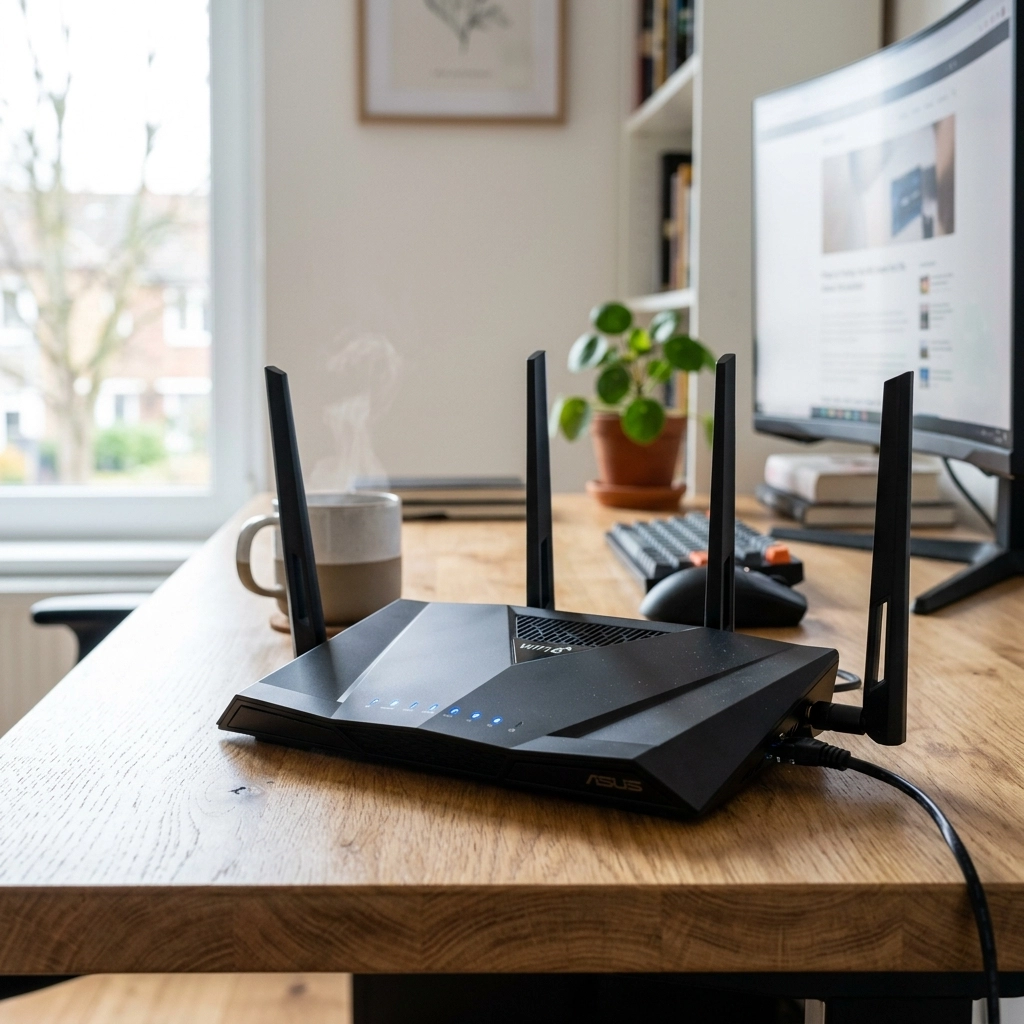
How to Log In to 10.10.10.10 Admin Portal
Logging into your router’s admin portal is basically like logging into your email account. You just need to know exactly where to go and what to type.
Here is the exact step-by-step process. Do not skip any steps!
- Connect to the Network. You absolutely must be connected to the router you are trying to change. You can use your phone over WiFi or plug a laptop directly into the router using a yellow or blue Ethernet cable. (The cable is honestly better because it won’t drop your connection).
- Open Your Browser. Grab your phone or computer and open Google Chrome, Safari, or whatever browser you like.
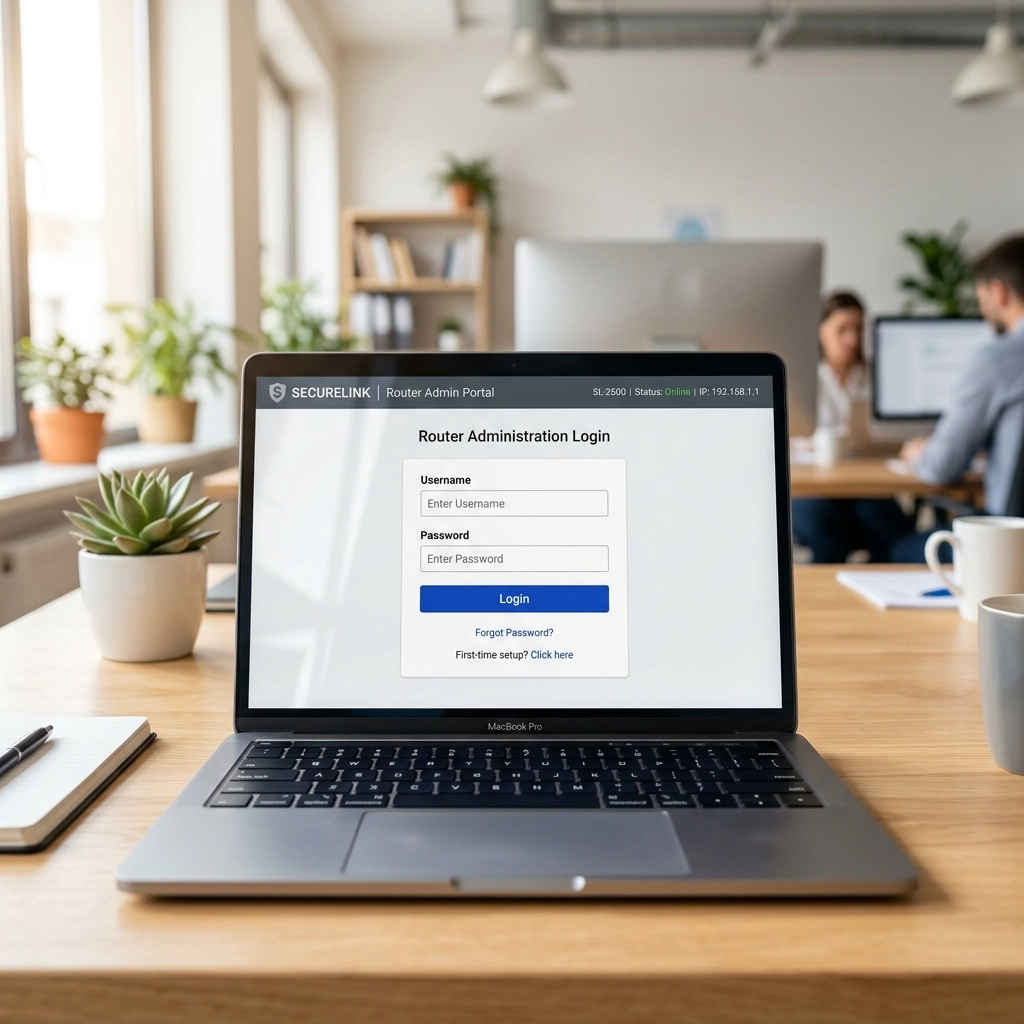
- Type the IP address. Look at the very top of the screen. Not the Google search bar in the middle of the page! Go to the actual address bar at the top and type exactly this: http://10.10.10.10 and hit enter.
- Enter Your Details. A login screen will pop up. It will ask for a username and a password.
If you accidentally mistype your target subnet address, you might inadvertently load the 10.10.10.1 control panel instead of your intended router destination.
Default Login Credentials Table
When you buy a brand new router or set up a Piso WiFi machine, the manufacturer sets a standard password. Most people never change it. If you have never messed with your router settings before, one of these combinations will almost certainly work for you.
- Username: admin
- Password: admin
- Username: (leave blank)
- Password: admin
- Username: admin
- Password: password
- Username: admin
- Password: 1234
Try the first one first. admin and admin is the golden ticket for about 90% of routers out there. Just make sure you type it in all lowercase letters!
How to Factory Reset a Router
So, you tried all the passwords above, and none of them worked. The screen just keeps saying “Login Failed.” What now?
This usually happens because whoever set up the router (maybe you, maybe your internet guy) changed the password a long time ago and forgot it. It happens all the time. To fix it, you have to wipe the router’s memory completely clean. We call this a factory reset.
- Leave the router plugged into the wall so it has power.
- Pick up the router and look at the back. You will see a tiny hole. Sometimes it actually says “Reset” next to it.
- Grab a paperclip, a toothpick, or an earring.
- Push the button inside that hole and hold it down. Don’t let go!
- Count to 15 slowly. Watch the lights on the front of the router. When they all flash at the same time and then turn off, you can let go.
The router is now factory reset. It will take a minute or two to turn back on. Once it does, the password will be reset back to the default admin settings.
Many fiber optic modems use distinct default IP spaces, meaning you may need to temporarily access the 192.168.100.1 dashboard to bridge your hardware correctly.
Certain secondary access points and wireless repeaters will require you to log into the 192.168.10.1 interface to assign a fixed channel for broader coverage.
How to Change WiFi password with 10.10.10.10
Okay, you are finally inside the admin portal. Great job! The very first thing you should do is change your WiFi password. Leaving it as the default setting is basically begging your neighbors to steal your internet speed.
The exact screens might look a little different depending on what brand of router you have, but the steps are always very similar.
- Look at the menu on the left side of the screen. Click on something that says “Wireless.” or “WLAN.”
- Next, look for a sub-menu that says “Wireless Security” or “WiFi Settings.”
- Scroll down until you see a box labeled “WPA/WPA2 – Personal.” Make sure this box is checked, because it is the most secure option.
- Find the box labeled “Password” or “Passphrase.”
- Delete whatever is in that box right now. Type in your brand new password. Make it strong! Use a mix of letters and numbers.
- Scroll to the very bottom of the page and click “Save” or “Apply.”
The second you click save, your router is going to restart. If you were using WiFi on your phone to do this, your phone will disconnect. You will have to go into your phone settings, click on your WiFi network, and type in your new password to get back online.
Network administrators mapping out complex internal structures must ensure their client devices do not create IP conflicts with the 10.0.0.10 static range.
When setting up standard home equipment, most users will initially route their traffic through the common 192.168.1.1 gateway before switching to a custom 10.x.x.x IP structure.
FAQs
What is 10.10.10.10?
It is a private IP address. Every device on the internet needs an address so data knows where to go. Public IP addresses connect to the whole world, but a private IP address like 10.10.10.10 only exists inside your house or business. It acts as the “default gateway.” This means it is the main door between all your home devices (phones, TVs, laptops) and the wider internet outside.
How do I log in to 10.10.10.10?
You log in by opening a web browser on a device connected to that network. Type http://10.10.10.10 directly into the top address bar. Hit enter, and a login screen will ask for a username and password (usually admin/admin).
Why is 10.10.10.10 not working?
If the page says “This site can’t be reached,” there are three main reasons. First, you might not actually be connected to the router. Second, you might have typed it into a Google search bar instead of the top address bar. Third, and most likely, your router doesn’t actually use that specific IP address. Many routers use 192.168.1.1 or 10.0.0.1 instead.
Is 10.10.10.10 a valid IP?
Yes, it is 100% valid. It belongs to the Class A block of private IP addresses. Network engineers love using this range because it allows them to connect a massive number of devices together on a single private network without running out of addresses.
Can I use 10.10.10.10 on mobile phones?
Absolutely. You do not need a computer. As long as your mobile phone is connected to the router’s WiFi signal, you can open Chrome or Safari on your phone, type the IP address, and access the admin portal just like you would on a laptop.
What is the default username and password of 10.10.10.10?
For almost every standard router, the default username is admin and the password is admin. If that fails, try leaving the username blank and typing admin for the password. Remember, these are case-sensitive, so use all lowercase letters!
What is the time of router reset?
When you do a hard factory reset using a paperclip, you need to hold the button down for exactly 10 to 15 seconds. If you just push it and let go instantly, it will only reboot the router without actually resetting the passwords.
Is 10.10.10.10 safe?
Yes. Because it is a private IP address, it cannot be accessed by random people on the internet. The only people who can access that login screen are people who are physically connected to your specific WiFi network. Just make sure you change the admin password so guests can’t mess with your settings!
Can I change the administrator's username and password?
Yes, and you absolutely should! Once you log in using the default admin credentials, look for a menu called “System Tools” or “Administration.” From there, you can create a brand new username and password just for the admin portal. This stops anyone else on your WiFi from changing your settings.
Does Piso WiFi use 10.10.10.10?
Sometimes, yes. Piso WiFi machines (those coin-operated internet vending machines popular in the Philippines) often use customized IP addresses for their captive portals. While 10.0.0.1 and 10.10.10.1 are more common for systems like LPB, some custom vendo setups definitely use 10.10.10.10 to let users insert coins and pause their time. If you are an owner, you use this IP to check your sales and manage bandwidth.
Conclusion
The invention of the Piso WiFi system has completely changed how neighborhoods connect to the world. It makes learning, playing, and talking to family affordable for everyone, no matter how much money they have in their pocket.
By understanding how the WiFi ng Bayan system works, you are now ready to get the most out of your coins. Remember to use the simple 10.0.0.1 trick if your screen gets stuck, and always use the pause button to save your time for later. Whether you are a student finishing a school project or a gamer trying to win a match, this amazing neighborhood machine is always there to keep you connected. Have fun surfing the internet!
If your default networking hardware was provided directly by your internet service provider, accessing the 192.168.0.1 login screen is typically the first step for changing administrative passwords.