192.168.1.1 Admin Login
192.168.1.1 is one of the most commonly used private IP addresses, which is used to access the router admin panel. Many popular router brands, such as TP-Link, Linksys, D-Link, Netgear, and others, use 192.168.1.1 as the default gateway for managing network settings. Users typically type 192.168.1, or 192.168.11, which causes a login error. Understanding 192.168.1.1 is crucial because it allows you to manage your Wi-Fi password and the settings for your home and office routers.
Suppose you want to modify your network, change your wireless password, fix router issues, or alter advanced features. In that case, 192.168.1.1 is the main access point for smoothly managing your entire home or office network.
How to Login to 192.168.1.1 Admin Panel

Accessing your router’s admin panel at 192.168.1.1 allows you to manage all your network settings, from changing your Wi-Fi password to arranging advanced router features. Follow these simple steps.
Access the 10.0.0.1 admin panel to secure your Piso Wifi network.
Start by making sure your device, PC, laptop, or smartphone is connected to your router through Wi-Fi or an Ethernet cable.
The 192.168.1.1 connection will fail to work if you are not on the same network.
Open any web browser you want, such as Chrome, Firefox, Edge, or Safari.
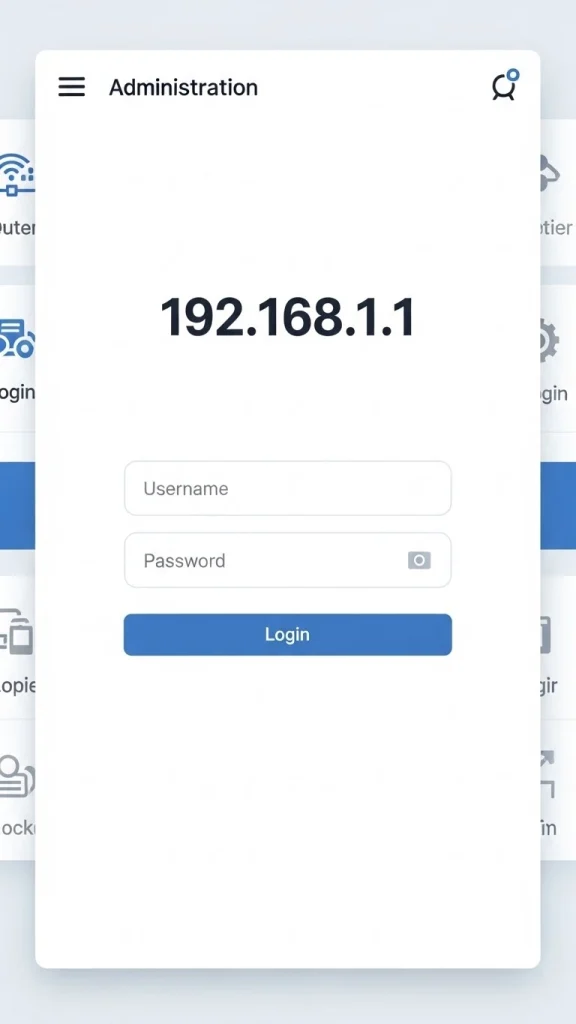
Type 192.168.1.1 into the address bar and press Enter.
Avoid common mistakes like 192.168.l.l, 192.168o 1, or 192.168.11, as these will prevent access. If you typed the wrong IP, check whether your router uses 192.168.1.0 or 10.0.0.1 instead.
On the login screen, enter your username and password. Most routers use Username: admin Password: admin/password/blank. If they are not working, check your router manual.
Click Login or OK.
You are now in the 192.168.1.1 admin panel, where you can change Wi-Fi settings, Wi-Fi name, passwords, firewall settings, and more.
This is the default IP for many devices, including the PLDT router login.
Default Username and Password for 192.168.1.1 Routers
If you have not changed your router username and password, you can use these default logins to access the 192.168.1.1 admin panel.
Related IP Adresses:
If this IP fails, check if your router uses 192.168.0.1.
High-speed fiber users should also try 192.168.100.1.
For enterprise-grade hardware, the gateway might be 10.10.10.1.
Router Brand | Default Username | Default Password | Notes |
admin | admin | Most common for home routers | |
D-Link | admin | admin / blank | Some models use a blank password |
Netgear | admin | password | Can also access via routerlogin.net |
Linksys | admin | admin | Use the firmware wizard for setup |
Asus | admin | admin | Use the web interface for configuration |
Tenda | admin | admin | Check the router sticker for the exact credentials |
Huawei | admin | admin/password | Some models have a unique password printed on the back |
Cisco | admin | admin | Business routers may differ |
How to Change Router Password Using 192.168.1.1
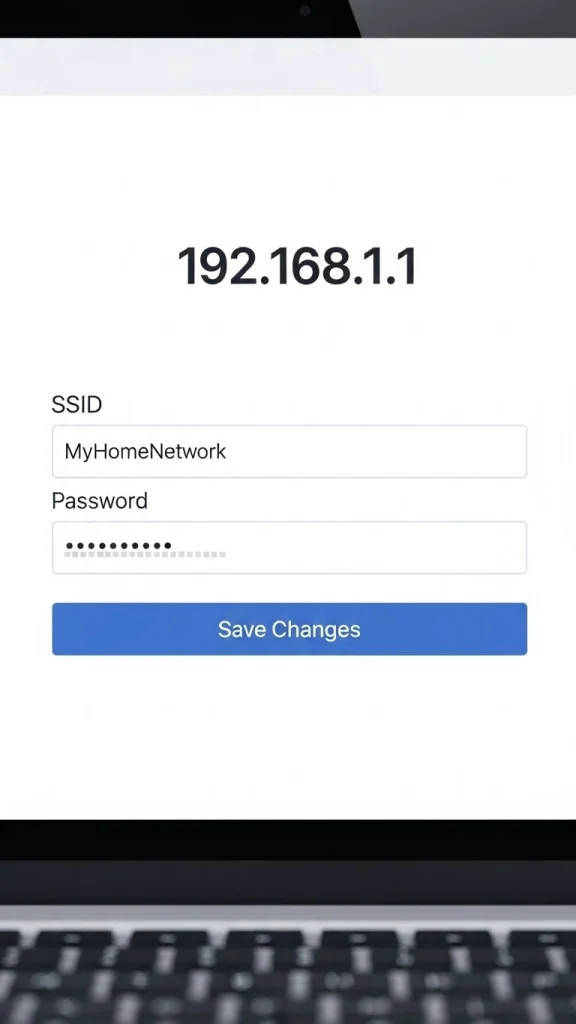
To keep your Wi-Fi safe, you must regularly change your router’s password. You can use 192.168.1.1 to change both your admin panel password and your Wi-Fi password. If you are using a public network system like Piso WiFi, check this guide: Piso WiFi Pause Portal Guide.
Open a web browser and input 192.168.1.1. Enter your router's login information and password. Click Login to open the router settings page.
Look for Wireless, Wi-Fi, or Network Settings. Here, you can change your Wi-Fi name (SSID) and password.
Enter a strong password with letters + numbers + symbols. Avoid simple passwords like abcdef.
Click Save to apply the new password.
Go to Administration or security Settings.
Enter a new admin username or password to protect your router, so no one else can log in to 192.168.1.1 as admin.
Disconnect and reconnect your devices using the new Wi-Fi password. Check that you can log in to 192.168.1.1 with the new admin credentials.
Common Router IP Problems and Easy Fixes
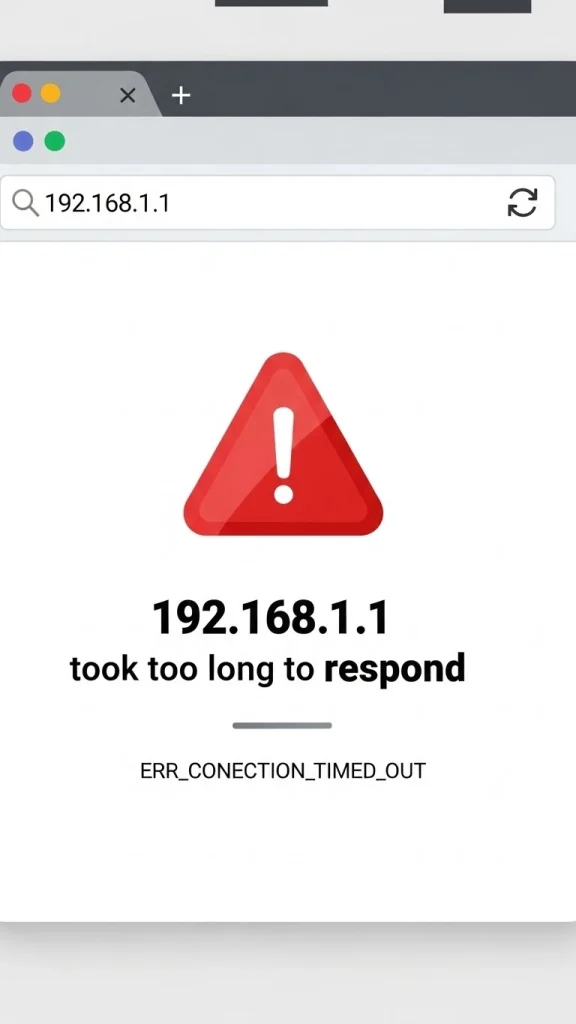
Problem | Cause + Fix |
192.168.1.1 not loading | Not connected to the router—connect via Wi-Fi or cable. |
Page not opening | Wrong IP typed — enter the correct IP (e.g., 192.168.1.1). |
Different router IP | Use another IP address — try 192.168.0.1, 10.0.0.1, or 192.168.2.1. |
Forgot IP or login | Info lost — check router label or manual. |
Wrong username/password | Entered incorrectly — use defaults or reset router. |
IP conflict | Another device using the same IP — restart devices or change the router’s IP. |
Firewall blocking | Security software blocking — temporarily turn it off. |
Router not responding | Router frozen — press the reset button for 10–15 seconds. |
Cable issue | Cable loose or damaged — reconnect or replace. |
Brands That Use 192.168.1.1 as Default Gateway
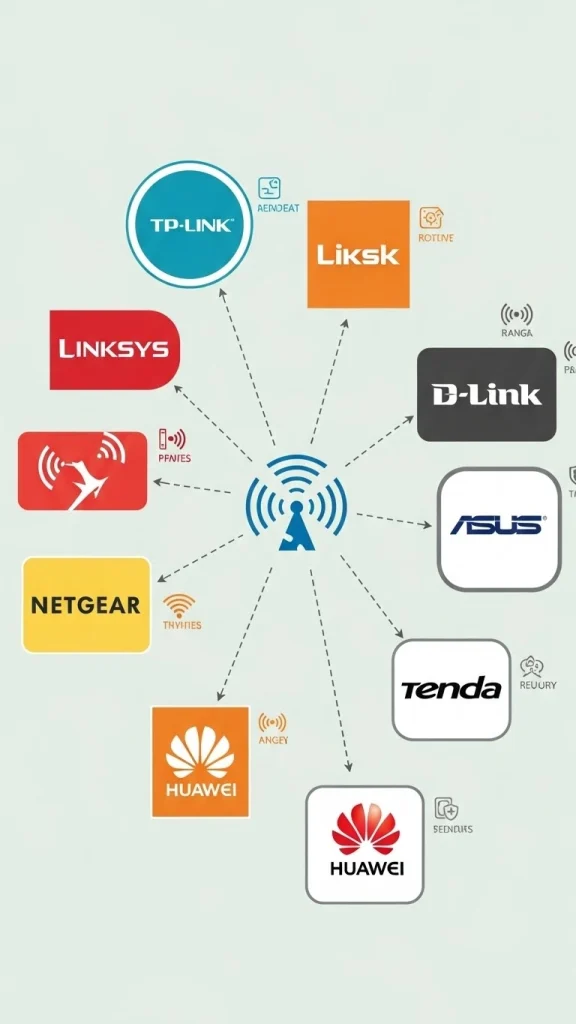
- Linksys
- TP-Link
- ASUS
- Netgear
- D-Link
- Huawei
- Tenda
How to Change Router IP Address
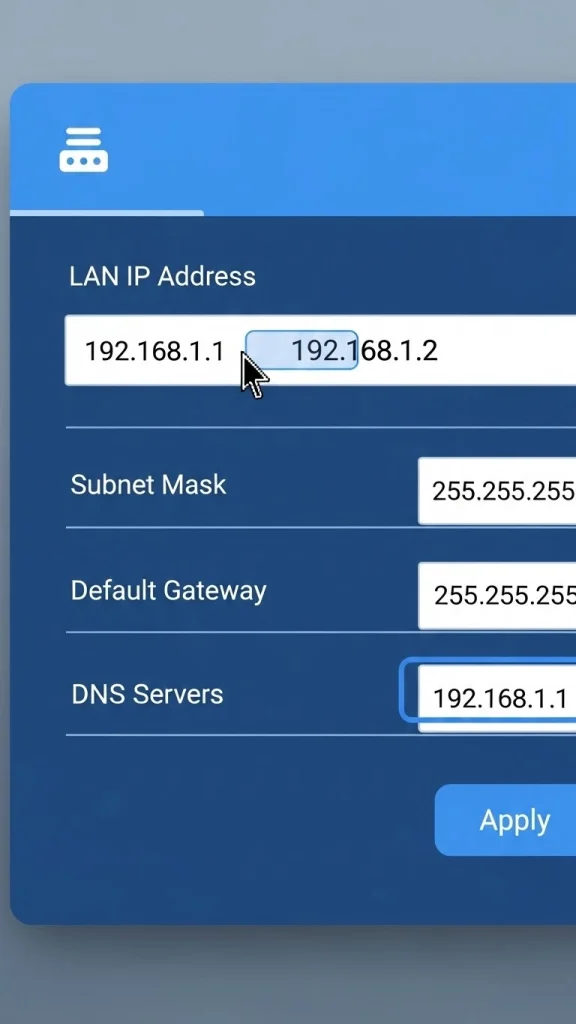
Router Brand | Steps to Change IP |
TP-Link | 1. Log in to 192.168.1.1. |
D-Link | 1.Log in to 192.168.1.1 (user: admin, pass: admin/blank). |
Netgear | 1. Log in to 192.168.1.1 or routerlogin.net (user: admin, pass: password). |
FAQs
What is the default username and password?
If your router isn’t opening with the default gateway, you can try accessing the 192.168.18.1 admin login page to manage your network settings.
What should I do if 192.168.1.1 is not working?
Check your connection, enter the IP correctly, or try alternative IPs such as 192.168.0.1 or 10.0.0.1.
How can I change my router password?
Log in to the admin panel, go to Wireless or Admin settings, and set a new strong password.
Can I recover a forgotten username or password?
Yes, check your router manual or sticker, or perform a factory reset to restore the default credentials.
What is 192.168.l.l?
It is a standard mistake for 192.168.1.1. Always use 192.168.1.1 in the browser.
How do I find my router's IP address if 192.168.1.1 doesn't work?
Use ipconfig on Windows to find the Default Gateway or check the router label/manual.
Is it safe to use 192.168.1.1?
Yes, as long as you secure your network with strong passwords and encryption.
How do I secure my Wi-Fi network via 192.168.1.1?
Change admin password, use WPA2/WPA3, disable WPS, enable MAC filtering, and monitor connected devices.
Conclusion
The huge majority of routers utilize 192.168.1.1 as the initial gateway IP to access the admin control panel. You can change advanced settings, protect your Wi-Fi, change passwords, and as well change the router’s IP address by logging in.
Always follow these important guidelines.
- Check that your Wi-Fi and admin passwords are safe.
- Turn on WPA2 or WPA3 encryption.
- observe linked devices and implement MAC filtering as needed.
- Regularly update the firmware on your router.
- Using 192.168.1.1, you can easily administer your home network, keep it safe, and fix common login or connection problems.